Growing Regions
Honduran Tobacco Regions: Where the Leaf Grows
Honduran tobacco regions include the Jamastrán Valley, Talanga, Copán and Comayagua, each producing leaf with its own strength and character.
Updated · Cigars Honduras Editorial Team
Visit the Cigar Town of Danlí →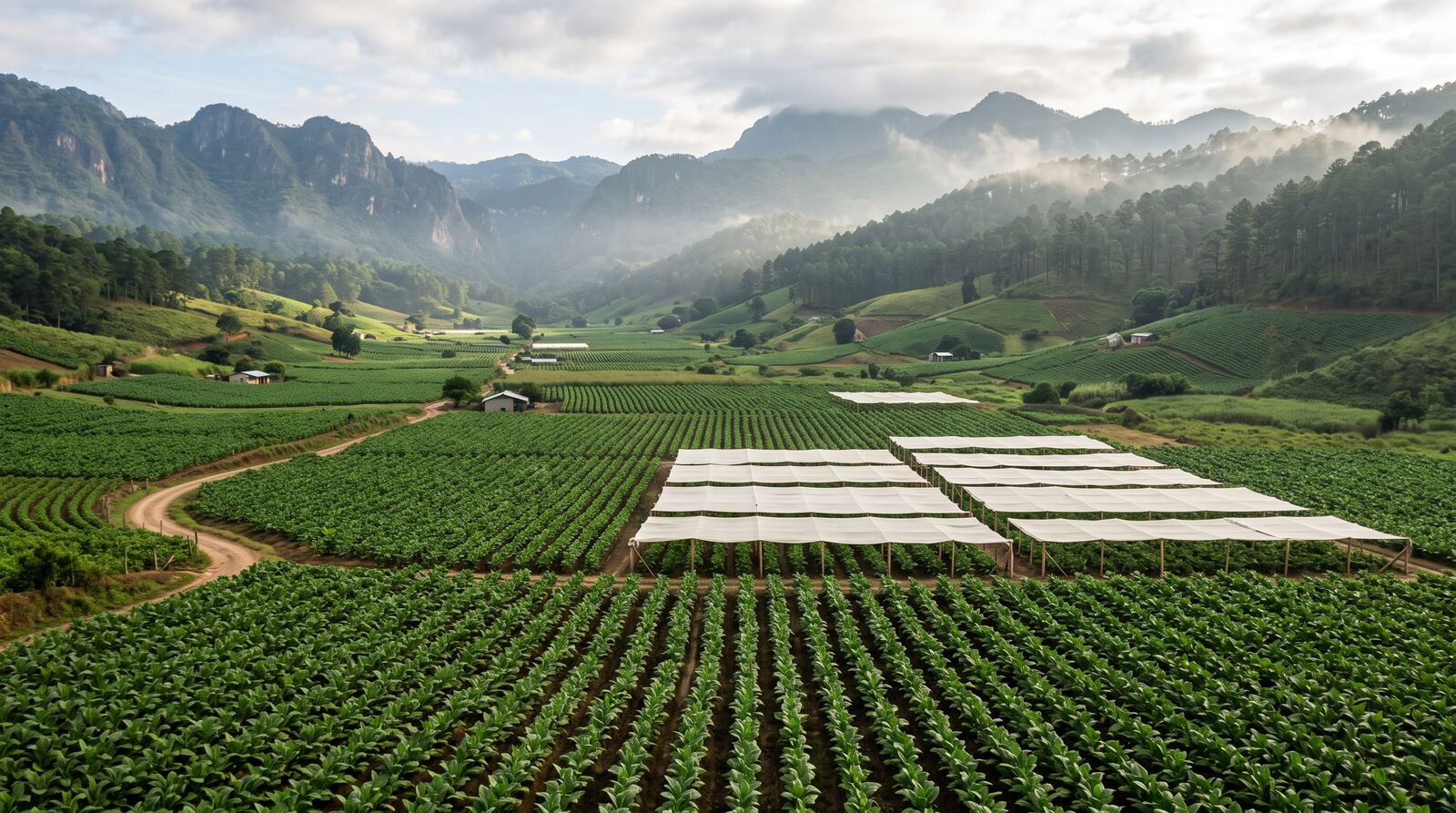
Honduran tobacco grows in a mountainous country with steady trade winds, warm temperatures and regular rainfall — conditions growers prize for cigar leaf. Several valleys stand out, and blenders often combine leaf from more than one to build balance. Here is what each region is known for.
The Main Growing Regions
| Region | Location | Leaf character | Often used as |
|---|---|---|---|
| Jamastrán Valley | Southeast, near Danlí | Strong, spicy, earthy, leathery | Filler and binder; some wrapper |
| Talanga Valley | Central, north of Tegucigalpa | Smoother, creamy, balanced | Shade-grown wrapper |
| Copán | Western Honduras, near Santa Rosa de Copán | Rich, robust, earthy | Filler |
| Comayagua | Central Honduras | Supporting leaf | Smallest region — about 10% of production |
Jamastrán Valley
The Jamastrán Valley is Honduras's largest and most famous tobacco region, a high valley outside Danlí. Its soils range from gray to reddish-pink, and it is drier than Cuba's humid Vuelta Abajo. Leaf from Jamastrán is often compared to Nicaragua's Estelí for its strength — expect spice, leather and earth.
Talanga Valley
Talanga is best known for shade-grown leaf that produces smoother, creamier wrappers. Blenders reach for it when they want Honduran character without too much bite.
Copán
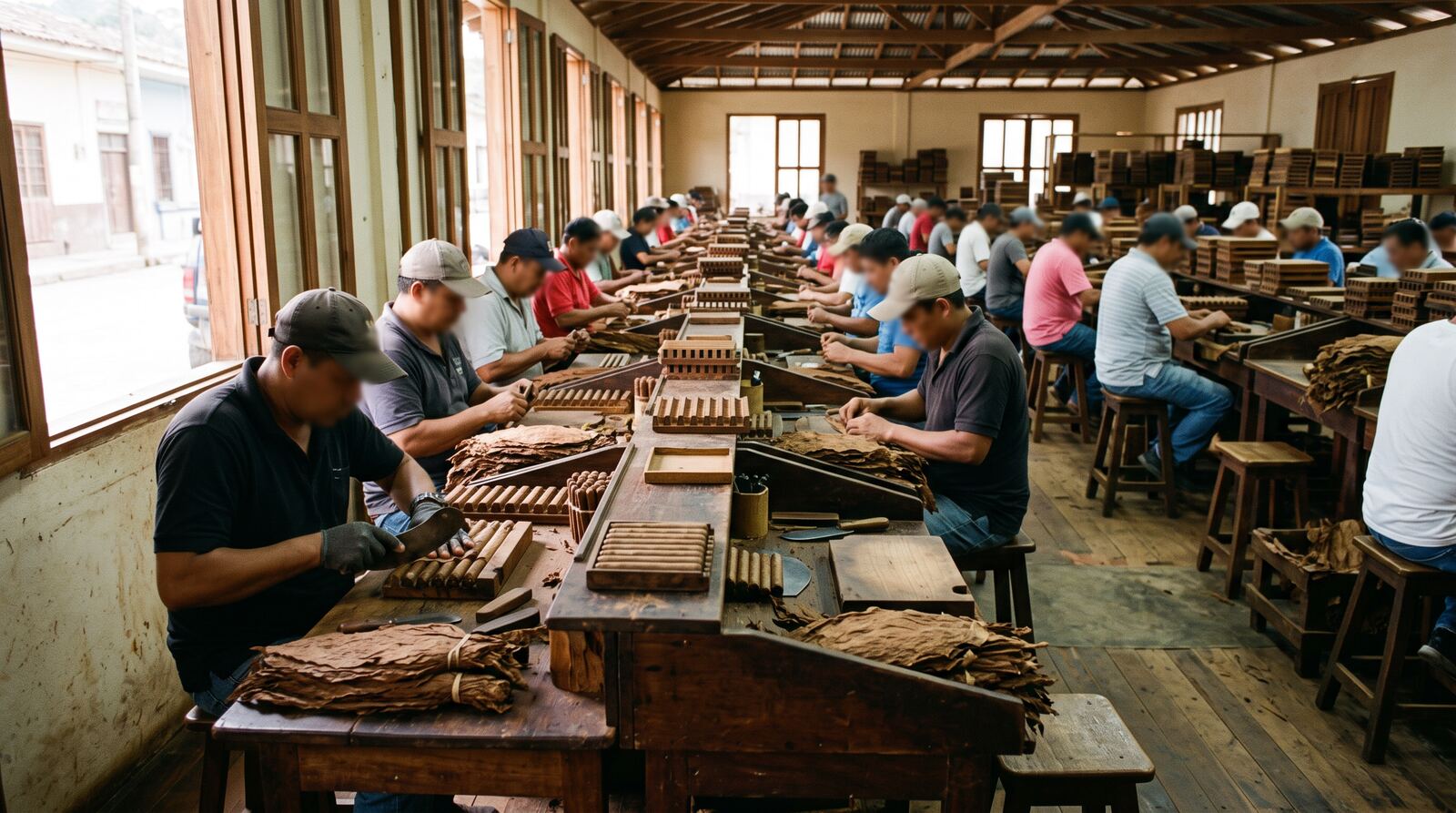
In western Honduras, the Copán region — around Santa Rosa de Copán — gives rich, earthy tobacco. It has a long cigar tradition; the Flor de Copán factory in Santa Rosa de Copán has offered visitors tours of its sorting, deveining and rolling rooms. Some blends combine Copán and Jamastrán leaf.
Comayagua
Comayagua in central Honduras is the smallest of the main regions, accounting for roughly a tenth of national production.
Seeds and Growing Methods
- Cuban-seed tobacco such as Habana 2000 is widely grown; when shaded under cloth it is used for wrapper.
- Connecticut seed is also planted; Connecticut plants can reach about 2.5 meters (8 feet) with up to 26 leaves.
- Shade vs. sun: wrapper leaf is typically grown under cloth tents for thin, even leaves, while filler grows in full sun for strength.
- Season: growers shifted planting toward the drier season after blue mold devastated crops in the past.
- Fermentation: thick ligero leaf can ferment for around six months before it is ready for blending.
Takeaway: If a cigar label mentions "Honduran Jamastrán" or "Honduran Corojo," expect a fuller, spicier smoke; a Talanga-grown wrapper usually means something smoother.
Reading the Label: How Region Shows Up in a Blend
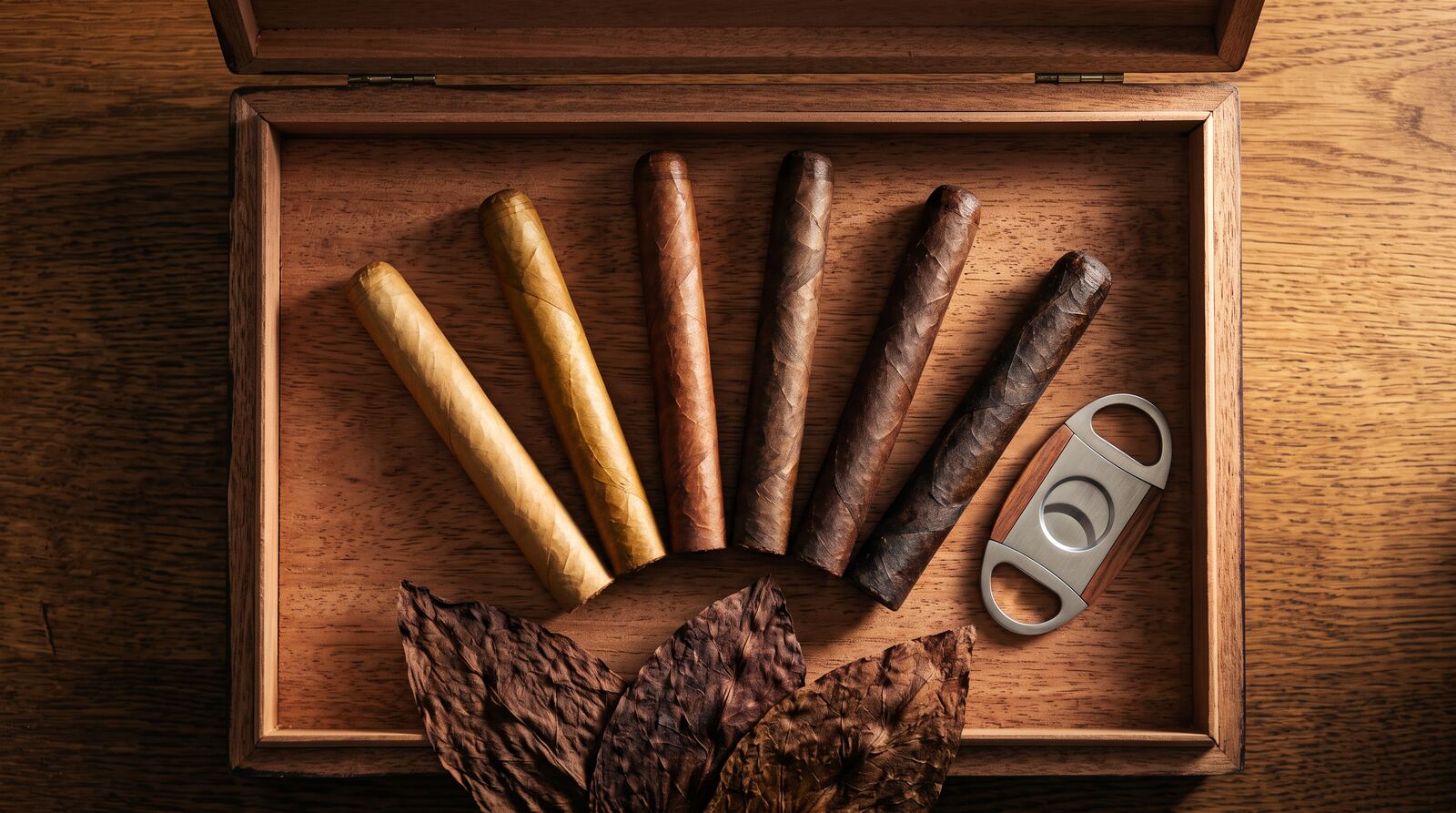
Cigar bands rarely list every leaf, but retailer descriptions and box labels often do. A blend described as "Honduran Jamastrán filler" signals strength and spice. "Honduran Corojo wrapper" usually means a reddish-brown leaf with pepper and cedar. "Habano-seed Honduran wrapper" generally points to a spicier, oilier leaf than a "Connecticut-seed" wrapper, which tends to be smoother and lighter. When a cigar lists Honduran binder and filler with an Ecuadorian or Nicaraguan wrapper, the Honduran leaf is supplying the earthy core while the wrapper adds the top notes.
The Growing Calendar
Seedlings are started early in the year, and growers aim to plant and harvest in the drier months to avoid the humidity that encourages blue mold. Leaves are picked from the bottom of the plant upward over several weeks — lower leaves are lighter, while the top ligero leaves are thicker and stronger. After harvest the leaf is air-cured in barns, then fermented in large piles called pilones, where heat builds naturally and is managed by turning the piles. The whole journey from seed to a finished, aged cigar commonly takes two years or more.
From Field to Factory
Most leaf grown in these valleys is rolled in Danlí's factories, and many companies also buy tobacco from Nicaragua, Ecuador and beyond to complete their blends. Curious how the leaf turns into a finished cigar? See Cigar Manufacture, or compare Honduras with its neighbor in our Honduran vs. Nicaraguan cigars guide.
Frequently Asked Questions
Where is tobacco grown in Honduras?
The main Honduran tobacco regions are the Jamastrán Valley near Danlí, the Talanga Valley, the Copán region in the west and Comayagua in central Honduras.
What is the Jamastrán Valley known for?
The Jamastrán Valley is Honduras's largest tobacco region and is known for strong, spicy, earthy leaf often compared to Nicaragua's Estelí.
What kind of tobacco grows in Honduras?
Honduran growers plant Cuban-seed varieties such as Habana 2000 and Connecticut seed, using shade-grown leaf for wrappers and sun-grown leaf for filler.
What does Talanga tobacco taste like?
Talanga is known for shade-grown wrapper leaf that smokes smoother and creamier than the stronger Jamastrán tobacco.
Is Honduran tobacco similar to Cuban tobacco?
Much Honduran tobacco is grown from Cuban-seed varieties, but different soil and climate give it its own earthy, leathery character.